In kitchen and bath design, the smallest details often make the biggest difference. One of those details is the filler panel. For kitchen and bath designers, understanding how and when to use a filler panel in cabinetry is crucial for a clean, finished custom kitchen.
What Is a Cabinet Filler Panel?
A cabinet filler panel is a narrow panel installed between cabinets or between a cabinet and a wall, appliance, or obstruction. Its purpose is to close gaps that naturally occur due to room dimensions, appliance clearances, or cabinet sizing increments.
What does a filler panel look like?
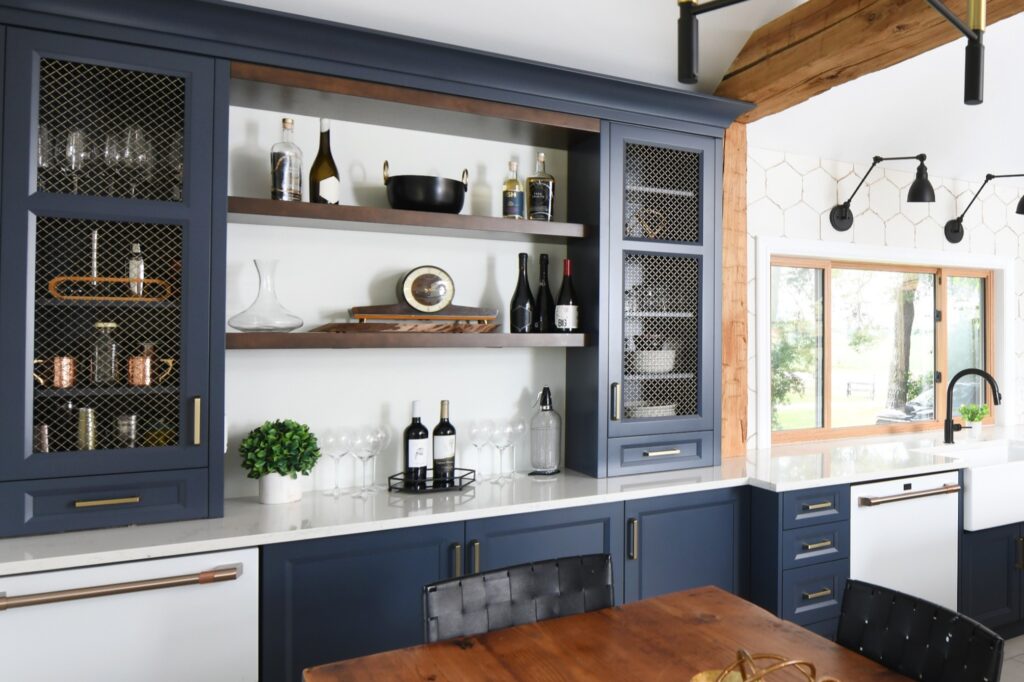
Filler panels are typically made from the same material and finish as the cabinetry, so they blend seamlessly into the design rather than drawing attention. Sometimes, they are a contrasting color or material to create a framed look.
Finished fillers:
- Include finished banding for a clean edge
- Elevate the overall look of the installation
- Prevent raw edges from being exposed
This detail is subtle, but it communicates quality and attention to detail to both installers and homeowners.
Why Designers Use Filler Panels
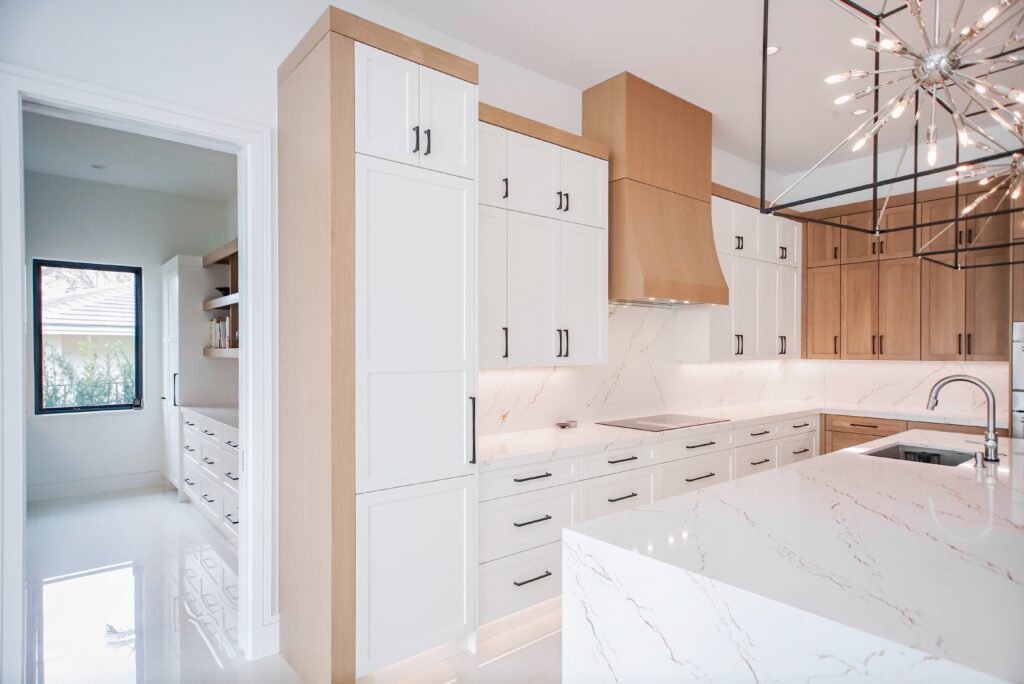
Designers use filler panels to solve both functional and visual challenges in a kitchen. They allow doors and drawers to open fully without hitting walls, handles, or appliances, while also creating the proper clearances needed beside refrigerators, dishwashers, and ovens.
Filler panels help accommodate uneven or out-of-square walls, which are common in both new builds and renovations, and they play an important role in maintaining consistent reveals and spacing, especially in full overlay cabinetry. The perfectly placed filler panel creates a beautiful custom look, even IKEA kitchens and other big box brands have taken note and offer filler strips for their cabinets.

Over time, they also help protect cabinet finishes by preventing repeated friction and impact in high-use areas. When the cabinets have the proper spacing function, less bumping and slamming occur.
Types of Cabinet Filler Panels
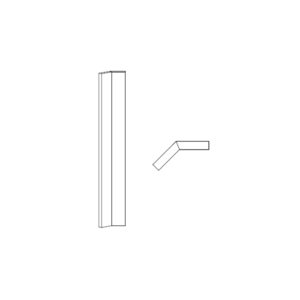
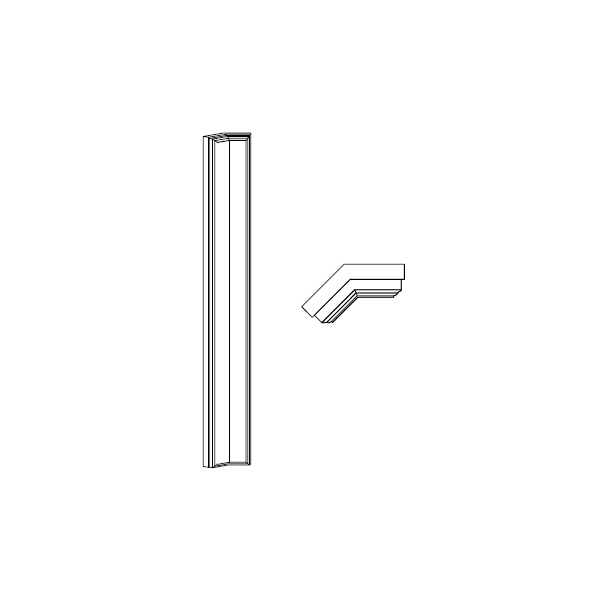
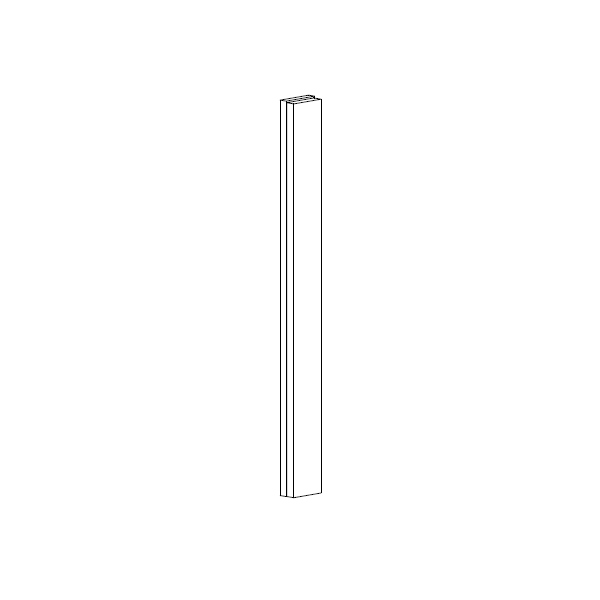
There are a few types of filler panels, and the right choice depends on cabinet style, purpose, and visual goals. Filler panels can be created as an angled filler, a filler overlay, or an angled filler overlay.
The Perfect Filler
In the end, filler panels are a small but essential part of thoughtful kitchen and bath design. They fill gaps, support proper function, protect cabinetry, and help the entire layout feel balanced and complete. In custom kitchen and bath designs, using filler panels gives designers more flexibility in their cabinet choices and layout options.
All around, they really are the perfect fit.