Why do we ask what the average kitchen size is in the first place?
Most of the time, it is not about curiosity. Designers, showroom teams, and homeowners ask this question because they are trying to create a baseline. The average kitchen size helps frame early client conversations around budget, layout possibilities, and overall scope. It provides context for what is considered typical, and where a specific project may sit in relation to that standard.
Clients like to know this answer when considering resale value.
In other cases, it is a practical checkpoint for estimating cabinet volume, appliance scale, and what design features can be realistically expected for their space.
That said, the average kitchen size is only a starting point. On its own, it cannot explain how a kitchen will function, how involved the cabinetry will be, or how the space will ultimately feel. Those answers come from looking beyond square footage and into layout, cabinet count, and design intent.
What Is the Average Kitchen Size?
Square Footage Benchmarks
In North America, the average kitchen size typically ranges between 150 and 175 square feet. However, because kitchen sizes vary by region and the age of the home, square footage benchmarks will differ depending on the location of the project.
Square Footage and Home Value
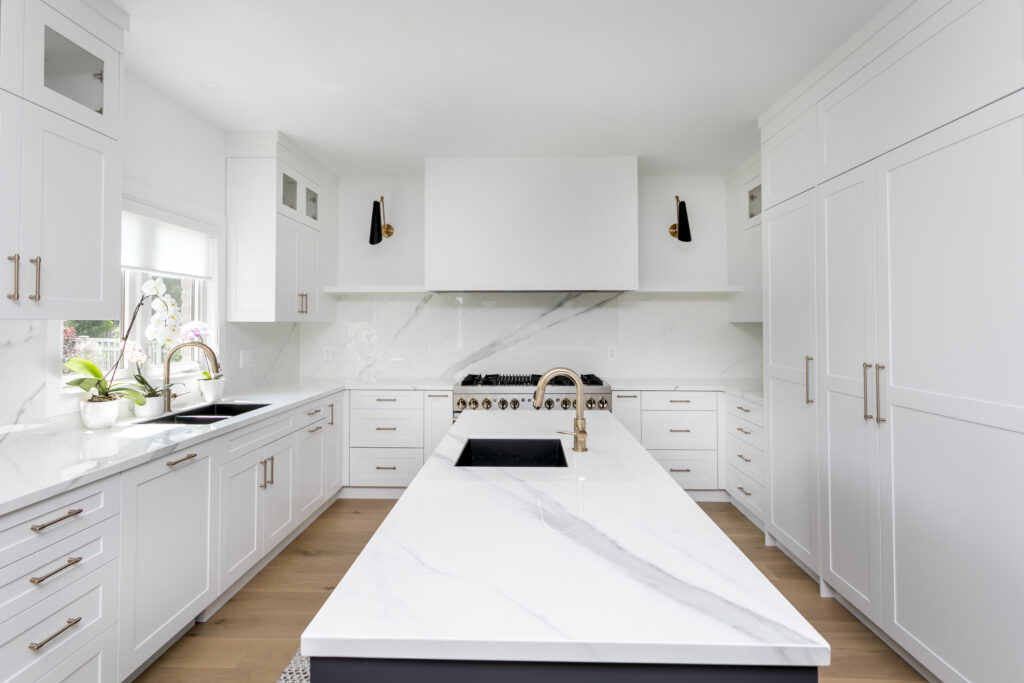
These averages are useful guidelines, not strict indicators of value. Kitchens vary widely, and perceived size is shaped by layout and cabinetry, not just square footage. Have you ever toured a house with a “small kitchen” only to be surprised at how spacious it feels in the home? Having a below-average kitchen may not necessarily mean below-average value. Kitchen size is also relative to the rest of the house; some homeowners prioritize living space, while others want a larger kitchen. This is especially true for renovations, where square footage is often reallocated based on lifestyle preferences and resale considerations.
A small home does not automatically mean a small kitchen, just as expensive cabinets do not always signal a luxury result. What ultimately defines a kitchen is the intentionality of the design, how well it is styled, and whether it clearly signals value in its market.
Measuring Kitchen Size by Cabinet Boxes
From a manufacturing and design perspective, cabinet box count is one of the clearest indicators of kitchen scale.
For our Elite Design Awards competition, we define kitchen size this way:
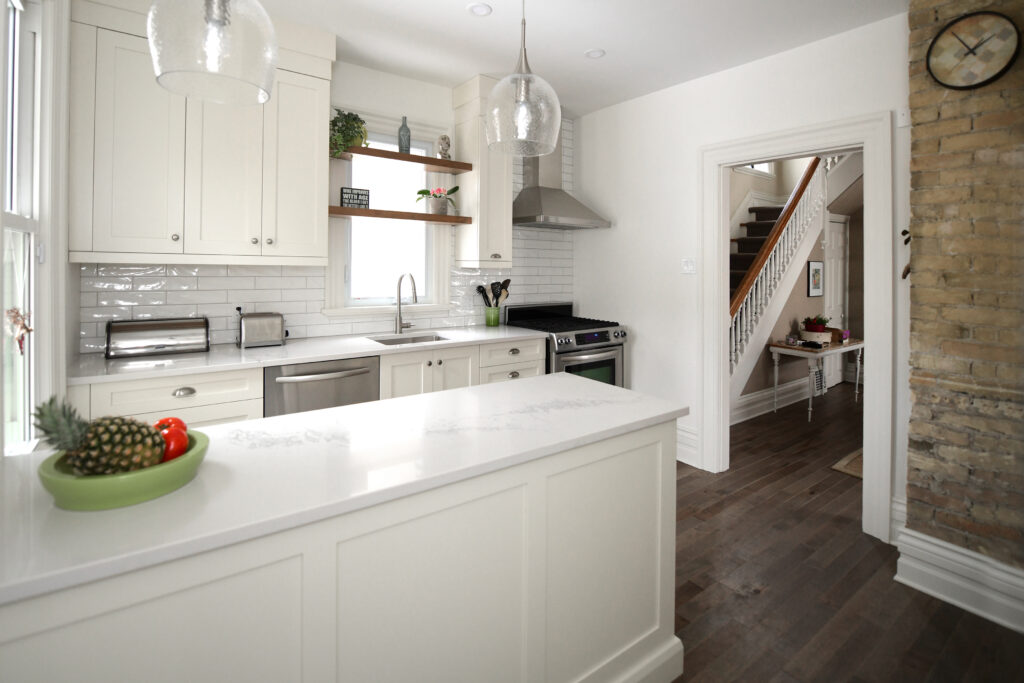
- Compact (small) kitchens: 12 cabinet boxes or fewer
- Large kitchens: 13 cabinet boxes or more
Cabinet boxes directly impact layout planning, installation time, and overall project cost.
Custom Design Changes How Size Is Experienced
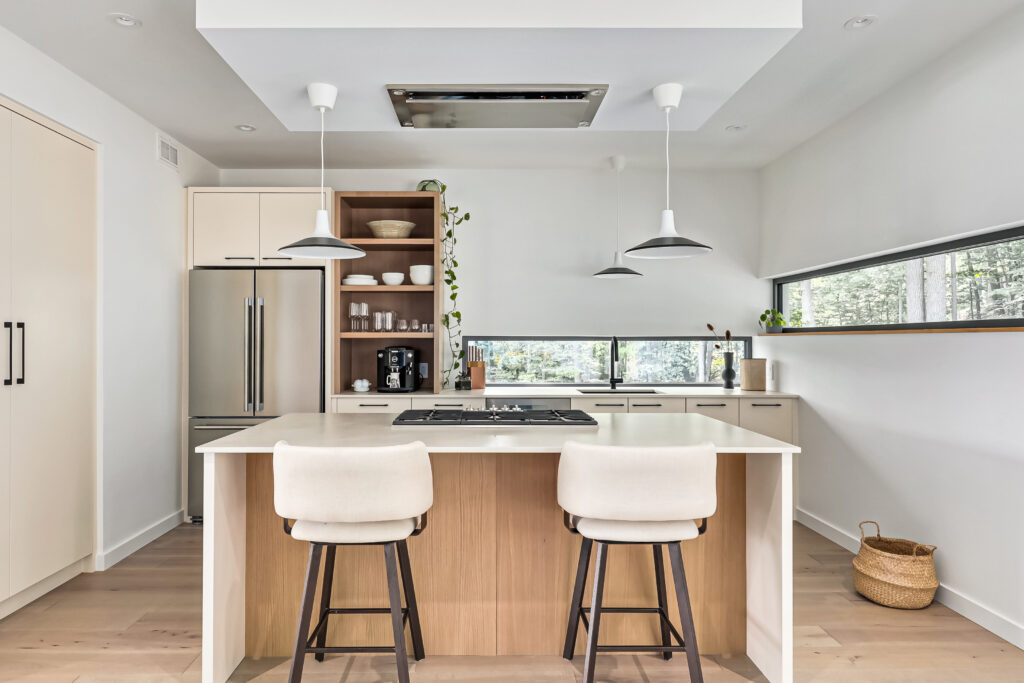
Custom kitchens often feel larger because they are designed with purpose. Clean layouts, consistent door styles, thoughtful proportions, and well-planned storage all reduce visual noise.
When everything has a place, the kitchen feels calmer and more expansive, regardless of the actual footprint.
Why Layout and Style Matter as Much as Size
A kitchen’s perceived size is heavily influenced by layout. For example:
- A U-shaped kitchen with limited clearance can feel tight even at average square footage.
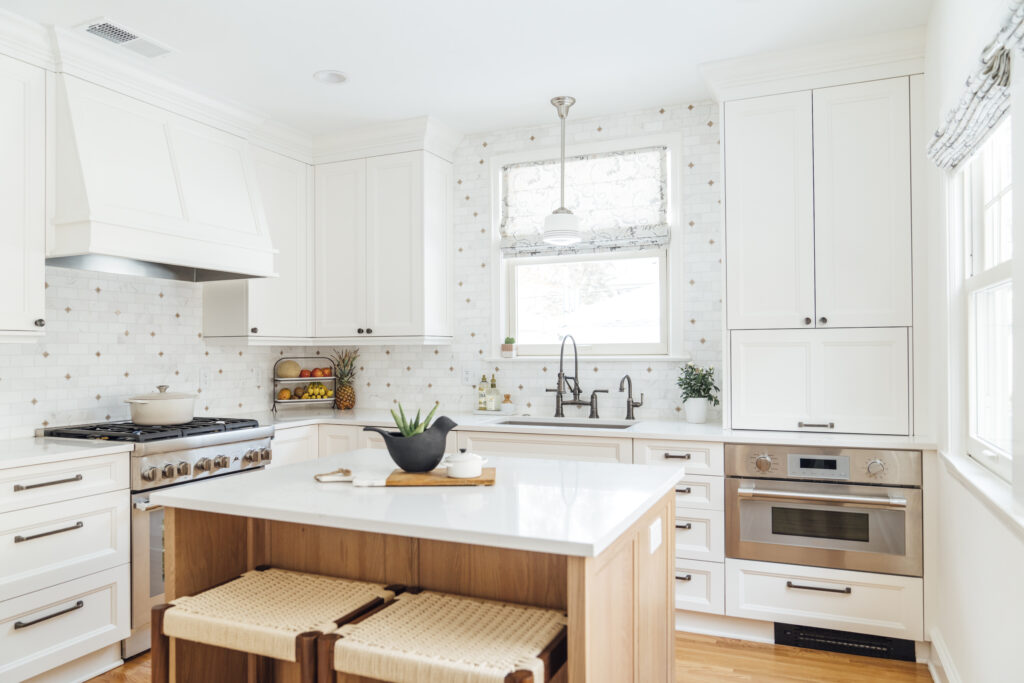
- An L-shaped kitchen with an island often feels open and social, even in smaller rooms.
- Galley kitchens can feel efficient or cramped depending on aisle width and cabinet depth.
Design decisions determine whether a kitchen feels constrained or generous.
Style Impacts Visual Scale
Cabinet style can also play a role in how large a kitchen feels.
- Full height cabinetry draws the eye upward and maximizes storage.
- Consistent finishes help the room feel cohesive.
- Integrated and panel-ready appliances reduce visual breaks.
- Patterns and ornamentation are proportionately scaled.
These choices matter just as much as the number of cabinets installed.
Communicating Average Kitchen Size to Homeowners
For designers and showroom owners, understanding the average kitchen size helps set expectations. It supports early budgeting, layout discussions, and product selection.
From a cabinet manufacturer’s perspective, any size kitchen can deliver an exceptional result.