Choosing the right design software is important for kitchen and bath designers. This tool is part of the daily workflow, influencing pricing confidence, design accuracy, and how clearly proposals are presented to clients.
Two of the most widely used cabinet-focused platforms in the industry are Design Flex (Formerly 2020) and ProKitchen. These cabinet design programs are established, trusted options. Both have strengths and trade-offs to consider.
From a cabinet manufacturer’s perspective, we see designers succeed with both. Here’s a straightforward comparison of both options for design software.
Quick Comparison: Design Flex (2020) vs ProKitchen
- Design Flex (2020): Wide catalog collection is best for advanced design and larger, established showrooms.
- ProKitchen: Best for affordability, ease of use, and smaller studios looking for a simple design solution.
Both are industry-specific cabinet design software, not full CAD platforms, and many designers pair them with other tools to round out their workflow.
Pros and Cons of Design Flex Software (2020)
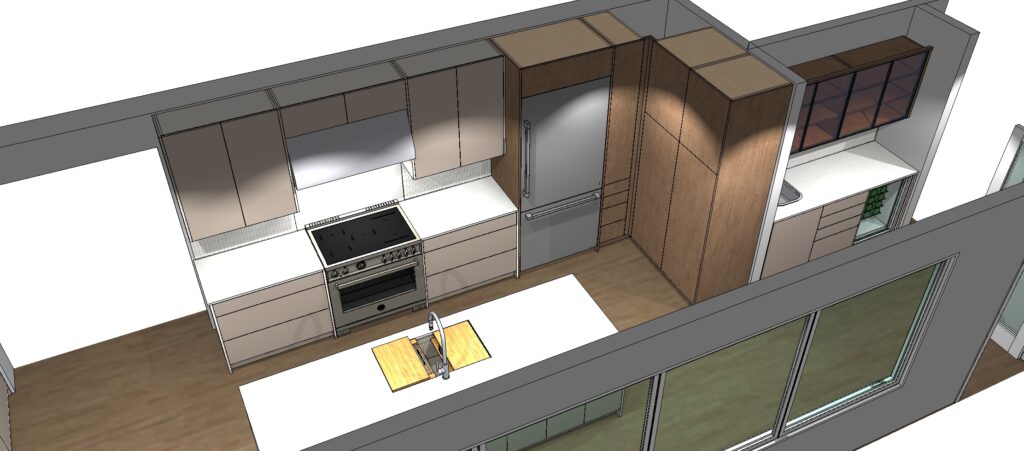
Design Flex, formerly known as 2020, now part of Cyncly, has long been one of the most widely adopted programs in the kitchen and bath industry. This means there are plenty of reviews and opinions online, with many designers who love the platform, but just as many who are critical.
Key Strengths of Design Flex (2020)
Designers regularly highlight these as the biggest advantages of this kitchen cabinet design software:
- Integrated manufacturer catalogs, order forms, and pricing
- Complex layouts, detailed cabinetry, and multi-layered projects
- High industry adoption across showrooms and dealer networks
- Better-looking renders and visuals
Software Limitations to Consider
- Steeper learning curve than ProKitchen
- Pricing has increased in recent years
- Can feel limited when projects expand into broader home remodeling
Pros and Cons of ProKitchen Design Software
ProKitchen is known for being more approachable and significantly more affordable, often coming in at nearly half the cost of Design Flex.
Key Strengths of ProKitchen
- An affordable option for smaller showrooms or independent designers
- Easier learning curve, with fewer early mistakes
- Clean, functional workflow
- Strong option for simpler projects
Software Limitations to Consider
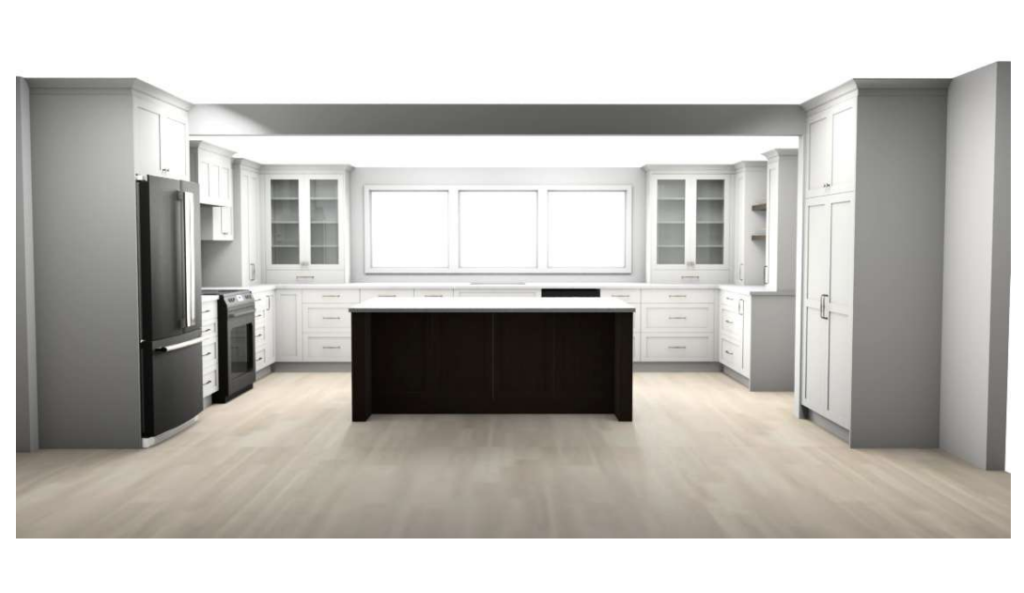
- Less detailed 3D visuals
- Fewer advanced features for complex designs
- Potentially limited catalog for smaller cabinet brands
What Designers Are Saying
A common theme we hear from designers is balance.
Some appreciate the depth of Design Flex but feel ProKitchen allows them to work faster with fewer errors, especially early on. Ease of use, confidence, and reduced friction matter just as much as visual polish in day-to-day work. Other designers love Design Flex and won’t switch, regardless of any drawbacks or expenses.
Because of the pros and cons of each platform and the wide selection of options outside these two design software programs, many designers use a few programs to create their designs
A common workflow is to design cabinetry in Design Flex or ProKitchen, then export or rebuild the design in another program when projects extend beyond the kitchen or when further customization is needed.
A Cabinet Manufacturer’s Perspective
From our experience as a cabinet manufacturer, Design Flex (2020) is currently the most widely used platform across our dealer network. We prioritize:
- Keeping catalogs current
- Updating pricing and product changes promptly
- Ensuring designers have reliable, up-to-date tools
At the same time, we recognize that designers use different software for different reasons. That is why we maintain catalogs in both Design Flex and ProKitchen. Our goal is to support the programs our customers rely on most, not force a single solution.
How to Choose the Right Cabinet Design Software
When deciding between Design Flex and ProKitchen, consider:
- Your project complexity
- Your business size and budget
- How much pricing automation you need
- Whether your cabinet line is supported with a full catalog
- How much time you want to invest in training
There is no universal best option. The right design software is the one that supports your workflow, your clients, and your growth. Often, it’s the software that you feel most comfortable using, so try a few demos and free versions before committing.