What is a cabinet box interior?
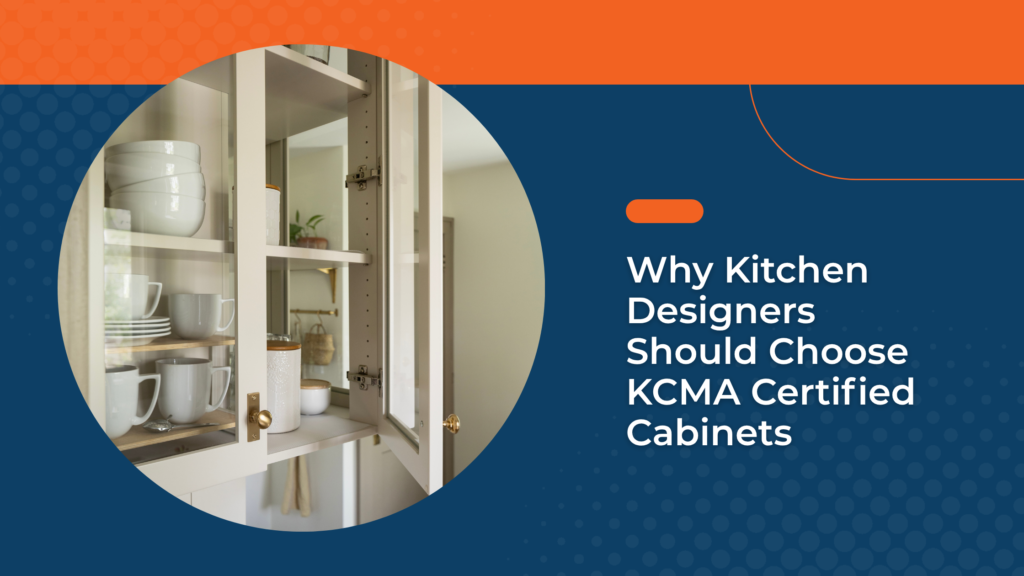
The main case, or box of the cabinet, is the storage area. The cabinet box interior is the inside of this box. It is what you see when you open a cabinet. A cabinet box has four sides, each side will have an interior and exterior. The interior is always finished, as this part is visible when the cabinet is opened. Sometimes the exterior side is finished (at the end of a cabinet run), sometimes unfinished (usually in between other cabinets). Designers can choose the finish (color/material) for the interior and whether the the exterior sides are finished or not.
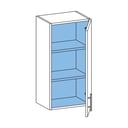
In this guide, we will discuss cabinet box interior options, the finish on the inside of the cabinet box that is seen when it is open.
Cabinet Box Interior Options
Cabinet box interiors are usually made from melamine, TFL, or plywood veneer. This is because the cabinet interiors do not receive the same amount of wear as the cabinet doors (fronts). Interiors are made of these materials for cost efficiency and because it matches the level of durability required for this application. Let’s break down some common cabinet box interior materials:
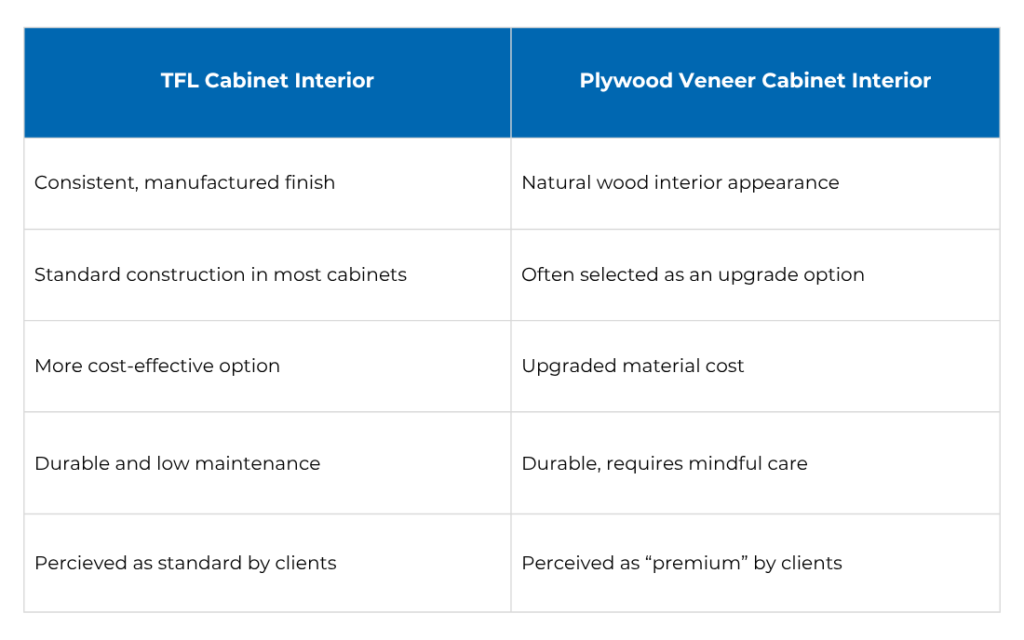
Standard Cabinet Box Materials: TFL Melamine
Standard cabinet boxes are often melamine, which is a Thermally Fused Laminate made from a resin saturated decorative paper applied to a composite material core under heat and pressure.
For example:
- .625” thick Thermally Fused Laminate (TFL) sides
- Full .625″ TFL top and bottom floors
- .25″ TFL covered hardboard back
Inside finishes are often neutrals like white or maple. Decor Cabinets are available in these 6 case colours:
- White TFL (Default)
- Natural Maple TFL
- Sunset Grey TFL (Applied Ends Only)
- Novablack TFL (Applied Ends Only)
- Walnut TFL
- Willow Grey TFL (Applied Ends Only)
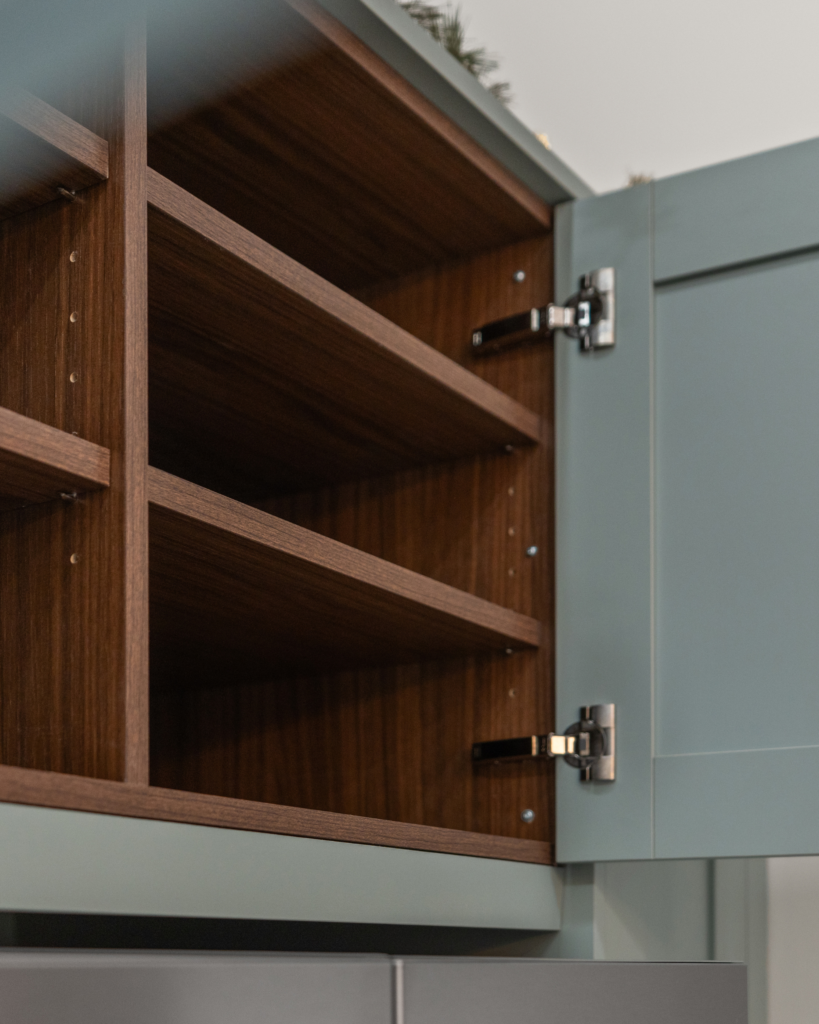
These interior finishes influence how the cabinet looks when opened and how it connects to the overall design. Lighter interiors keep cabinets bright and easy to use, while darker or woodgrain options can add contrast or warmth.
Upgraded Cabinet Box Materials: Plywood Veneer
Cabinet box interiors can also be made of plywood, which is usually an upgrade. The plywood has a wood veneer that can be painted or stained to match the cabinet.
For example:
- Entire birch veneer interior
- 1/4” birch covered plywood back
- Adjustable shelves are 3/4” birch covered plywood
- Exterior can be another wood species, painted, or stained to match the rest of the cabinet
Plywood interiors are often selected for projects where material preference is a priority. This wood veneer option reads more elevated and custom.
Which one is better?
There is no “which is better” option here. Both of these options (TFL and Veneer) offer high-quality performance for kitchen and bath. As we shared in the comparison chart, there are pros and cons to both. These options are common in the custom cabinet industry and are chosen because they offer reliable quality.
Design Tips: Matching vs Contrasting Cabinet Box Interiors
Interior cabinet finish is often treated as a default decision, with white being the traditional choice. However, designers can tie the cabinet interior material to the rest of the space with intentional design choices.
Matching Cabinet Box Interiors
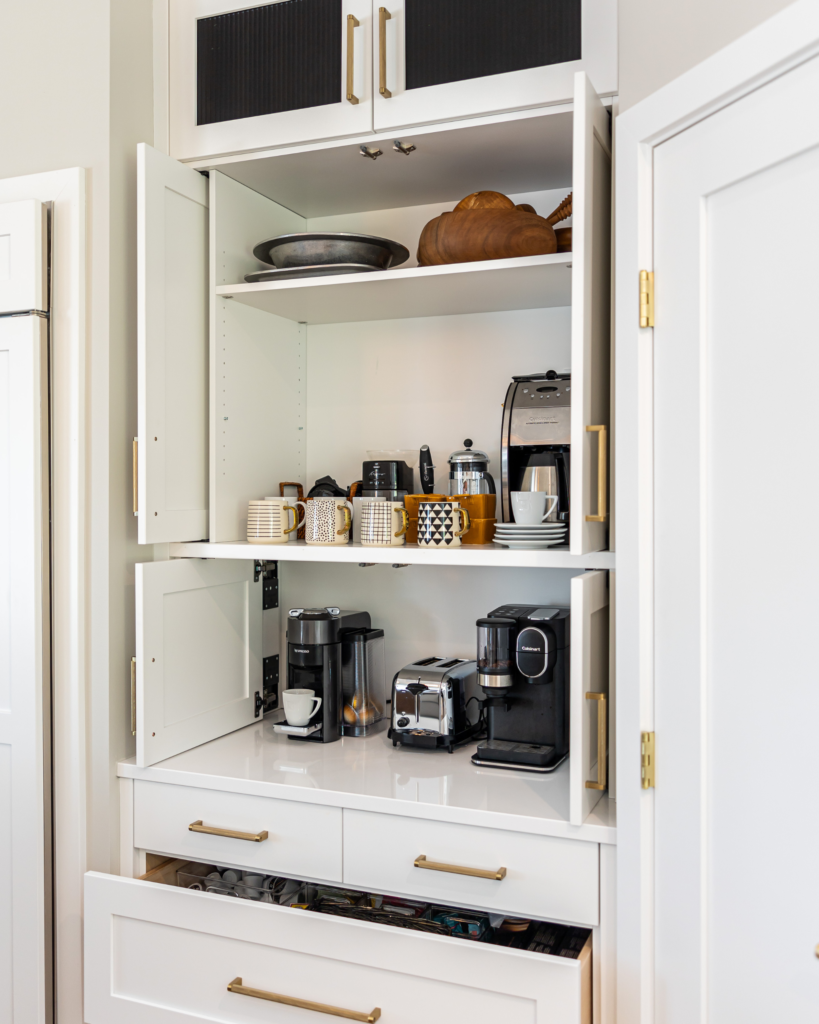
Matching the cabinet interior to the exterior keeps everything visually consistent. It creates a cohesive look and feels more connected when cabinets are open. This is common with wood grain finishes, where the interior continues the same tone and grain texture as the door. It is also common with white cabinets, to choose a white interior.
This approach leans traditional, where aesthetics and familiarity are prioritized.
Contrasting Cabinet Box Interiors
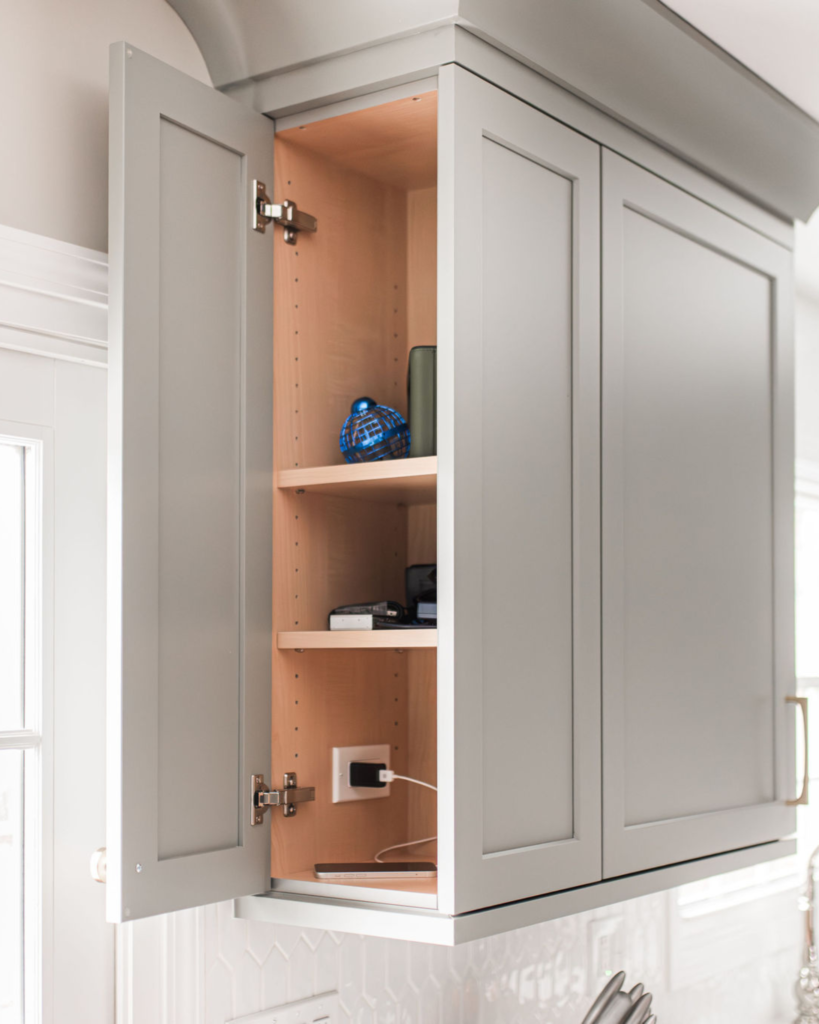
Contrasting interiors are more common in kitchen and bath design. White or light neutral interiors paired with darker or wood exterior finishes keep the inside of the cabinet bright and easy to use. It improves visibility and creates a clean break between interior and exterior. Contrasting colors may also be chosen for style preference, mixing materials like wood and TFL for a contemporary appearance.
This approach leans modern, where function and clarity are prioritized.
High Impact Cabinet Interior Design
Interior choices become more visible in certain applications:
- Glass front cabinets
- Open shelving
- Feature areas like beverage centers, where cabinet doors may stay open longer
In these cases, the interior finish becomes part of the overall design, not just a background element.