Hardware has a way of making or breaking a kitchen. It’s often one of the last decisions made in a project, but it carries more visual weight than most clients expect. In one of our professional development Academy XP sessions, designer Nadine Hawkins of Hawkins Interiors walked through hardware materials, construction, and the trends she’s seeing gain traction right now.
Trend Summary:
- Mid-Centruy Minimal
- Geometric Shapes
- Industrial Farmhouse
- Mixed Materials
- Organic Biophilic
- Hardware Backplates
- Seamless & Handle-free
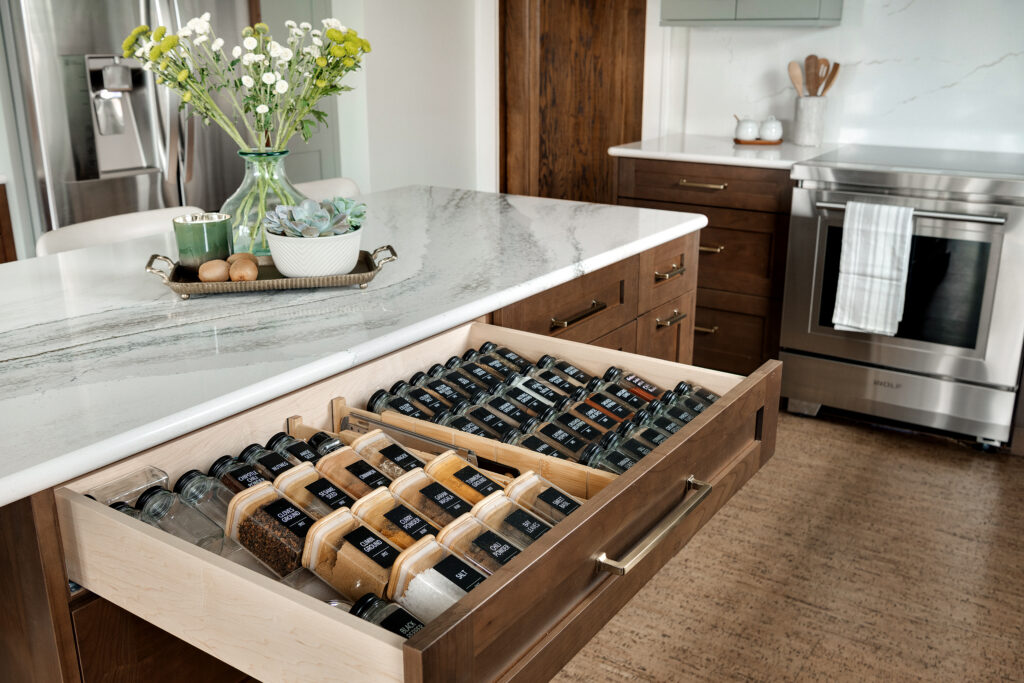
Common Materials for Decorative Hardware
The hardware material determines more than appearance. Durability, finish behavior, and longevity are important factors to consider when choosing hardware for clients. Here are some common materials for cabinet hardware.
- Aluminum
- Zinc
- Brass
- Stainless Steel
- Copper
- Wood
- Glass
Aluminum and Zinc are common budget friendly materials that are often used in cabinet hardware. Brass is a durable casting that is elevated in design and higher in price, but has better longevity. Stainless steel is great for outdoor uses and saltwater environments. Copper is considered a living finish and develops a patina over time. It’s also corrosion resistant. Wood hardware is often integrated into the cabinet and custom made by the cabinet manufacturer. Lastly, glass is a non-porous material that allows light to be refracted through the hardware for a unique look.
Designer Tips for Choosing Cabinet Hardware
Designers should discuss with their clients the pros and cons of different hardware materials and what would fit their budget and style preferences. Here are some tips from the webinar that will help designers through this process.
- How does it feel in the hand? As Nadine puts it, “How does it feel in the hand, are there any sharp edges, and what’s the projection away from the cabinet?” Ergonomics and daily use matter more than appearance. There are some hardware styles out there that look better on the display than they function in real life.
- What is the lifestyle of the home? Consider young children, accessibility needs, and aging in place. Lifestyle should impact the hardware choice just as much as the aesthetic.
- What does the client budget look like and what longevity are they expecting? These two questions usually answer each other and it is important to inform the client about their options and expectations for use. They may love the price tag inicially, but a few years down the road wished they invested more.
7 Trends for Decorative Cabinet Hardware
Hardware trends have expanded well beyond the standard bar pull. Clients are asking for more personality in their hardware, and designers are ready to push creative boundaries. Here are seven trend directions worth knowing right now.
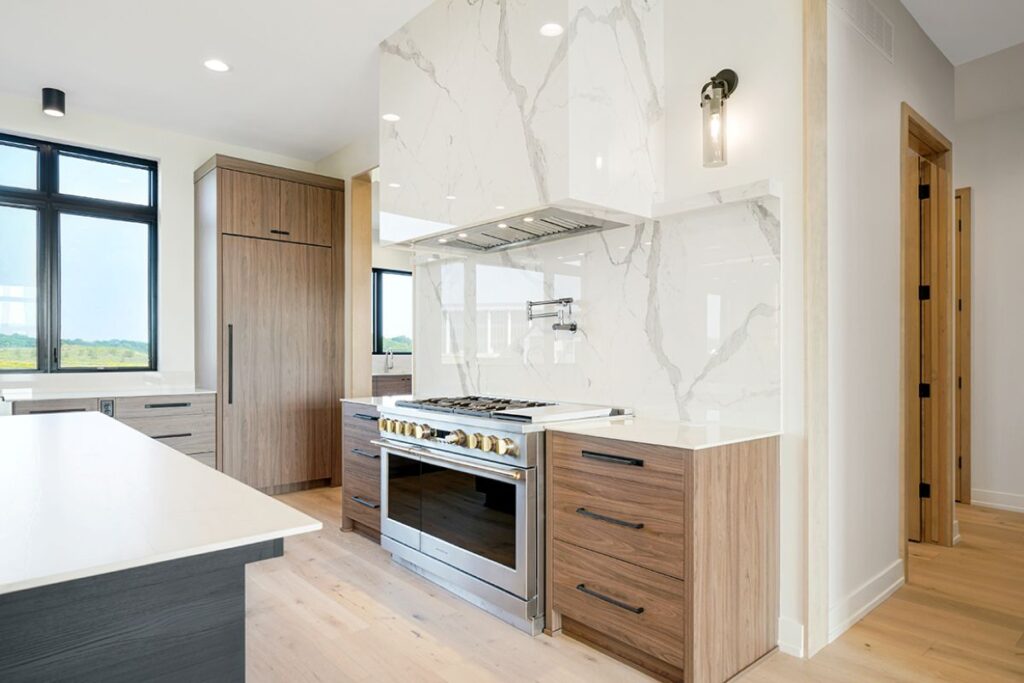
1. Mid-Century Minimal
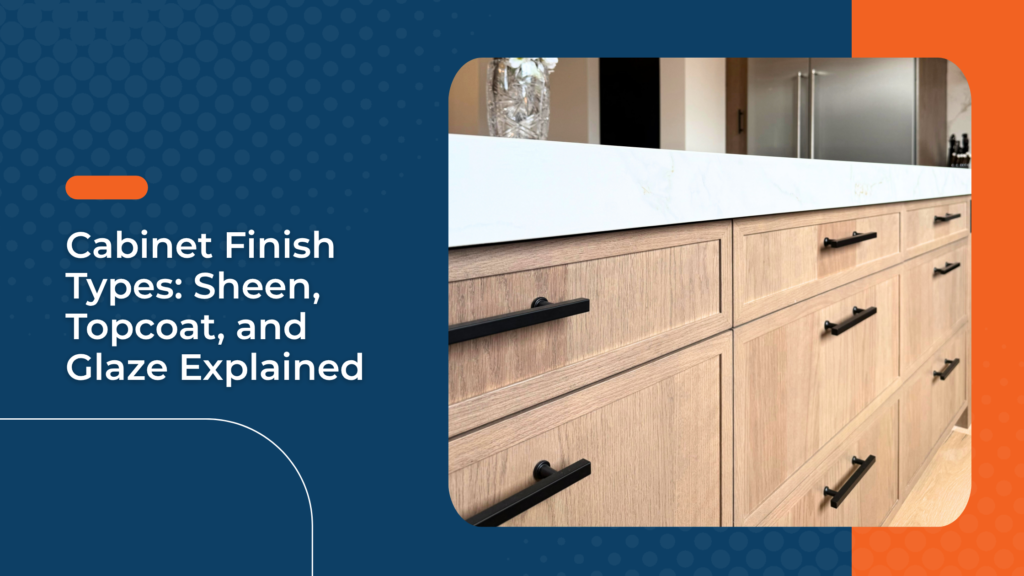
Minimal, stands the test of time, and looks great with wood and flat panel cabinetry (like shaker cabinets or slab doors). Usually in a black finish, this modern hardware choice is very popular right now.
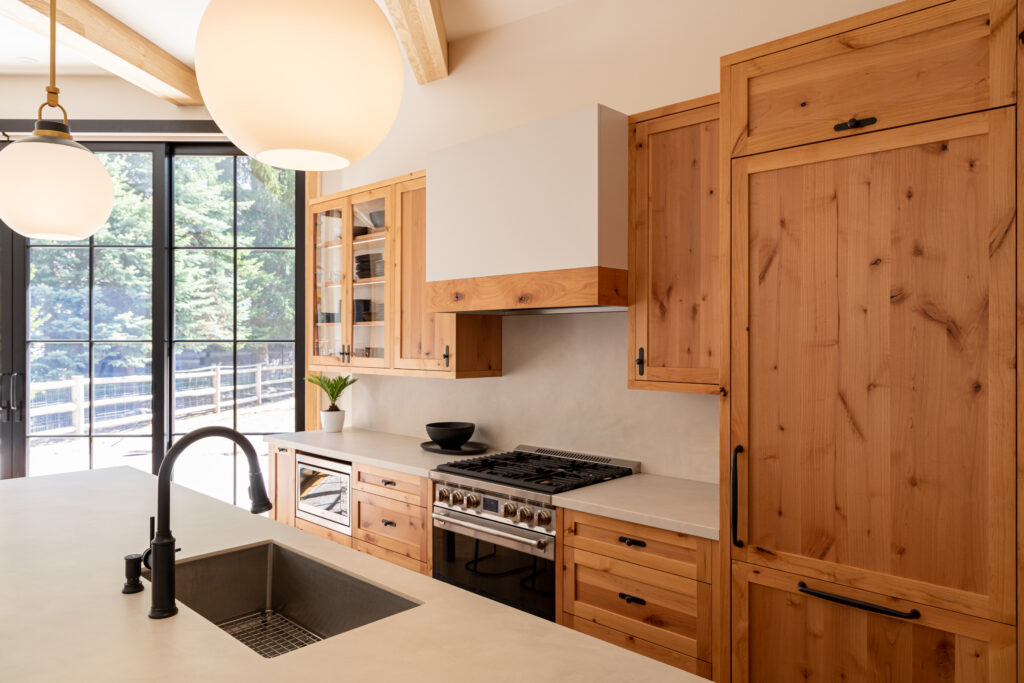
2. Geometric Shapes
This trend embraces geometric angles and rounded edges to create unique hardware profiles. Hexagons and ovals are some of the more noticable trends.
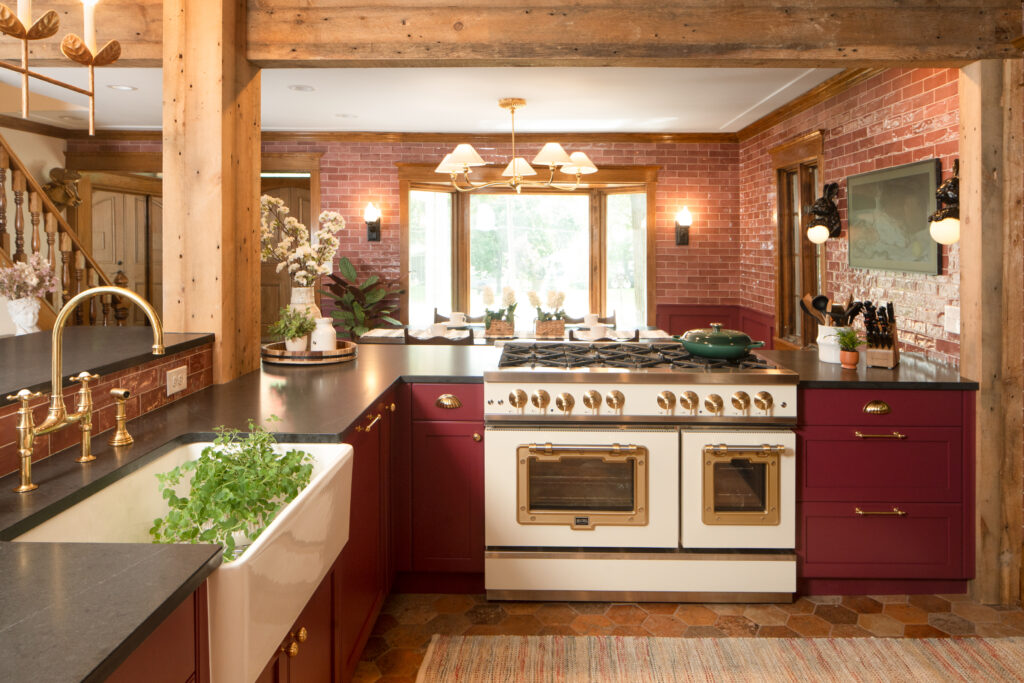
3. Bespoke Industrial Farmhouse
Historical charm is in the details, designers are loving hardware that has a bit of character. While the unique curvatures may be harder to clean, we think the aesthetics are worth it in this case.
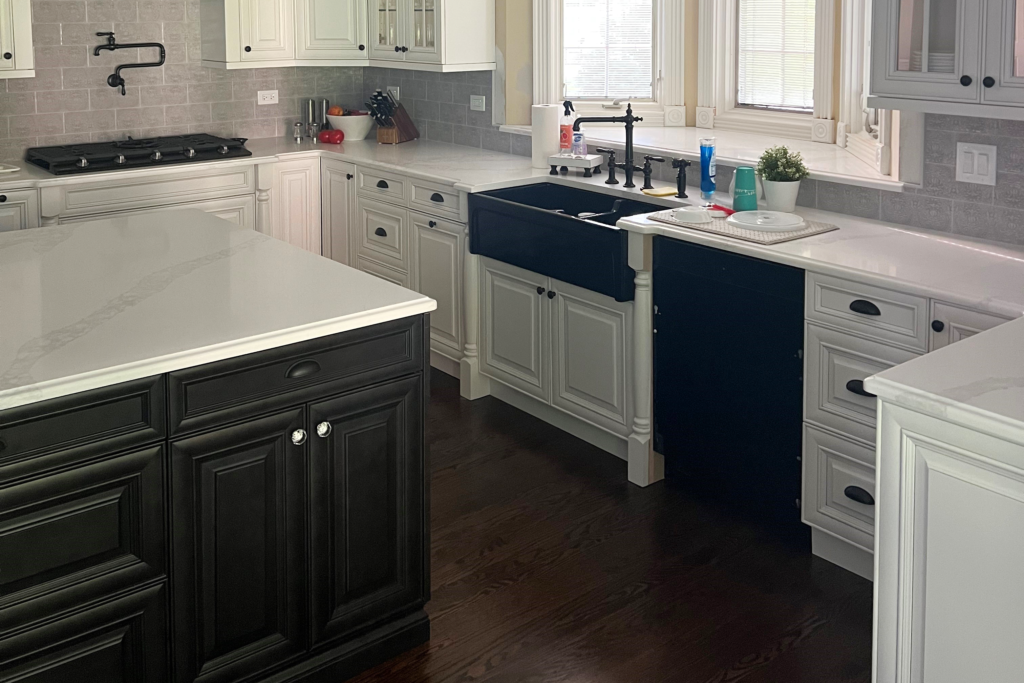
4. Mixing Hardware Materials
This trend encompases mixing different hardware materials in one space, or hardware that has different materials in one knob or pull. Think black hardware with a glass bar. Or a two tone kitchen with two finishes of hardware.
5. Organic and Biophilic Hardware
Leather pulls, living finishes, rock-inspired shapes, anything with a natural quality. This fits well with the broader move toward organic modern interiors.
6. Hardware Backplates
Backplates add another layer of design and protect the cabinet finish from the wear that comes with repeated daily contact.
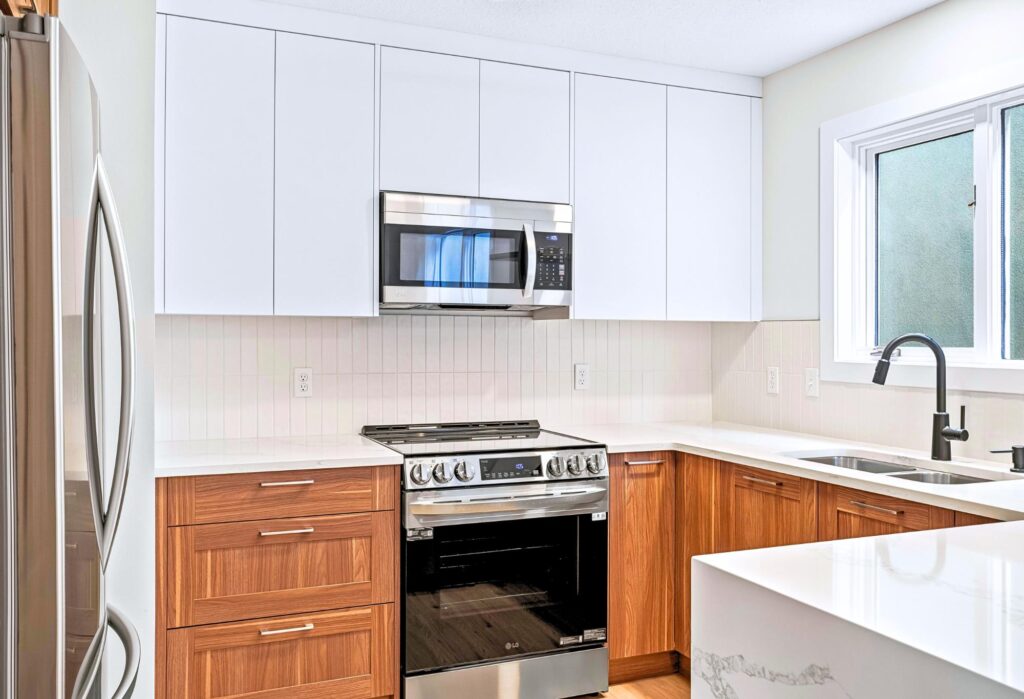
7. Handle-free Cabinets
This style of hardware is either a hidden tip-on hardware, or a channel for easy opening. Seamless, easy to clean, and especially popular for contemporary spaces.