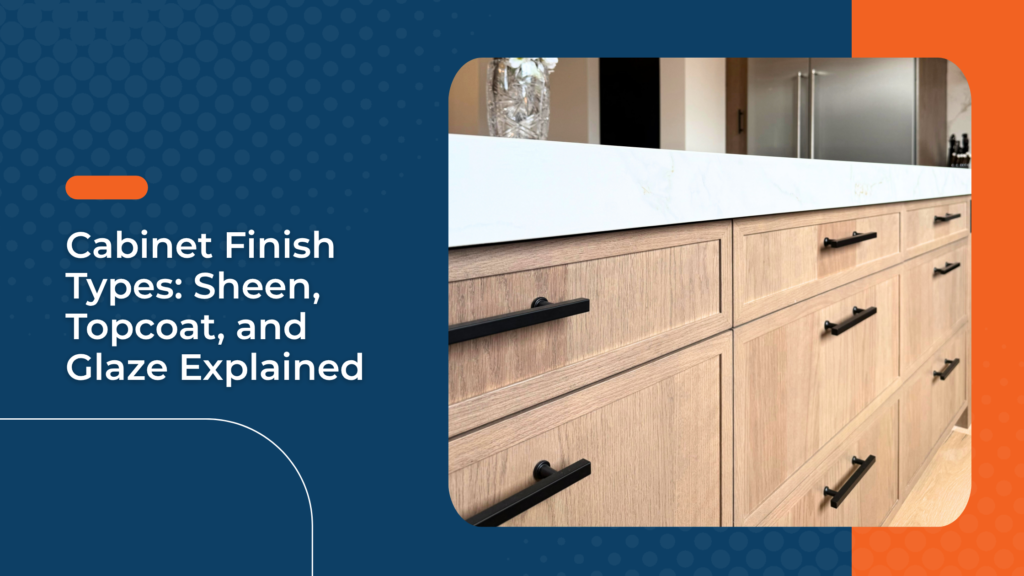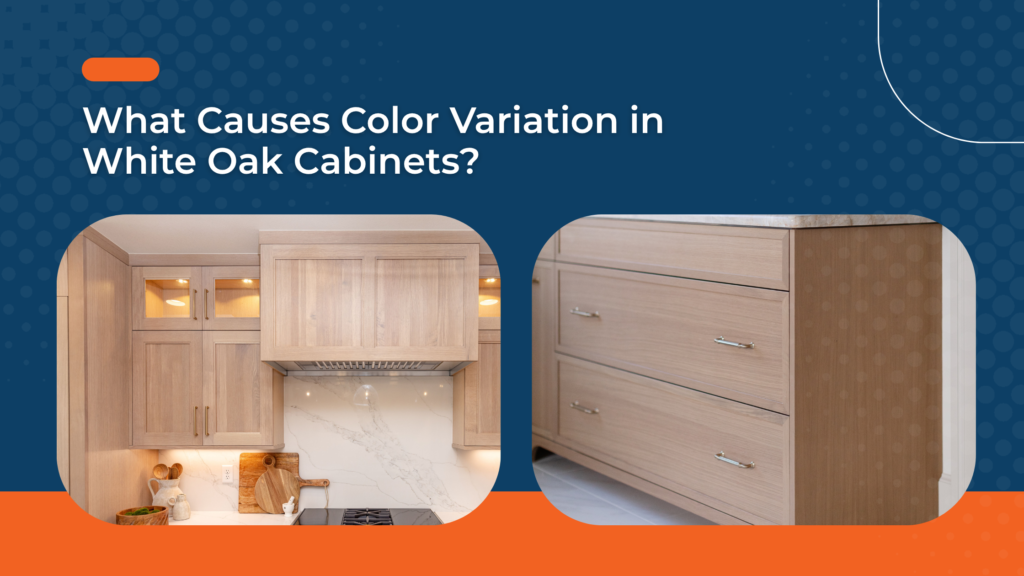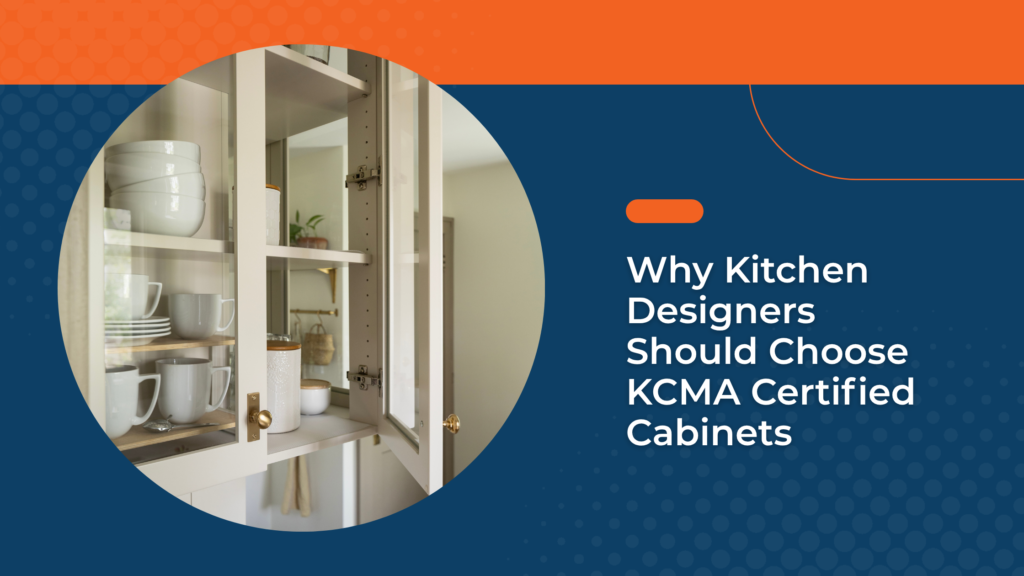
Usually, the sides of a kitchen cabinet are not finished, rather the standard cabinet box material (often melamine) is visible. This works fine when cabinets are side by side, with the unfinished ends pressed together. But once a side is exposed, it needs to match the exterior of the cabinets.
This is where an integrated panel or cabinet end panel is needed. As a designer, you have the ability to choose how this looks. Whether that be a decorative end with moulding, or a simple finished side to match the door style, this choice can add style and intentionality to the kitchen or simply cap off a run of cabinets.
This post will cover cabinet end panel options and:
- When a cabinet side actually needs to be finished, and when it doesn’t
- The difference between a finished side, a decorative panel, and a framed or mullion option
- Why cabinet type and case material limit what’s possible
- Why this is always a manufacturer-spec conversation, not a universal answer
When You Actually Need a Finished Side
A cabinet side only needs to be finished when it’s visible. If a cabinet side is tucked in between cabinets, it doesn’t need to be upgraded. But if the side is on the end of a cabinet run or next to an integrated appliance, a finished side is needed.
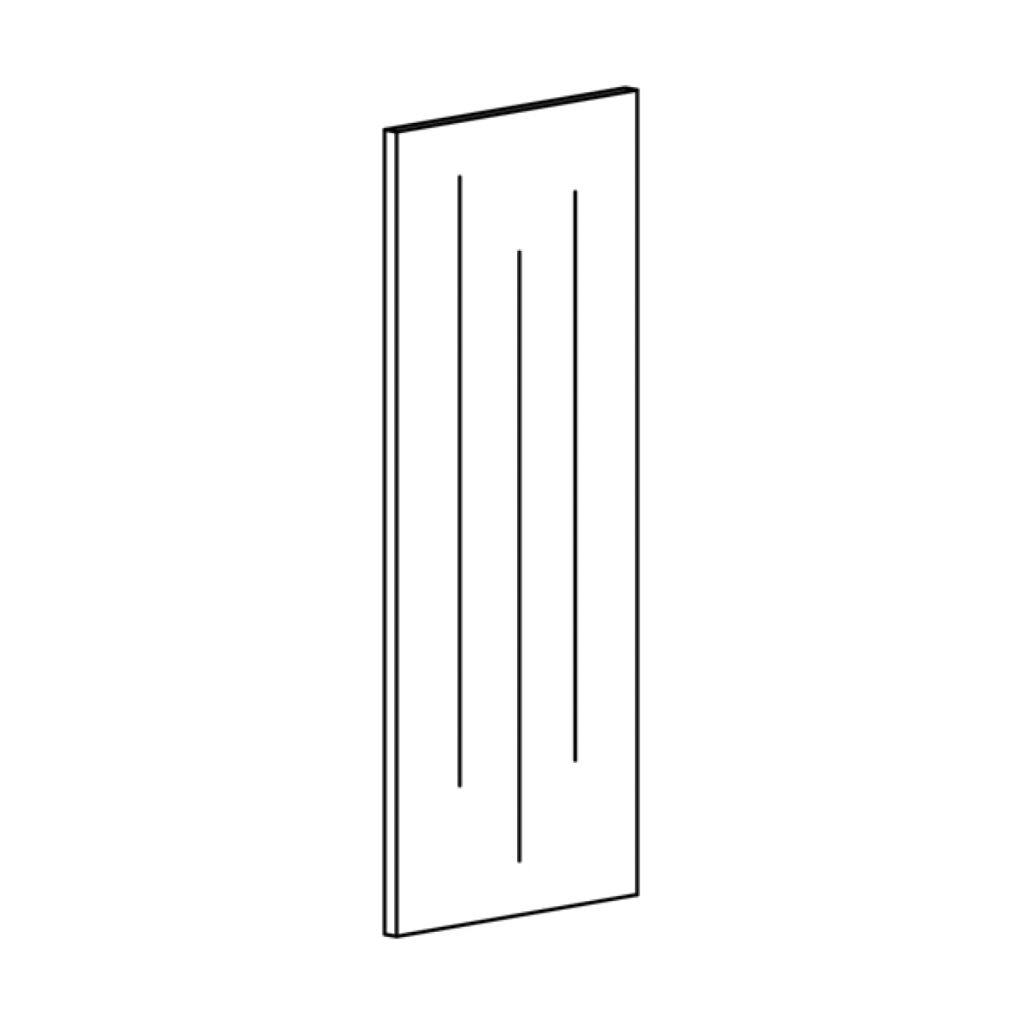
The Standard Option: A Finished Side
The simplest modification is turning a standard melamine box side into a finished side that matches the door finish. This can be done on the left, right, or both sides of a cabinet, and it’s the most common fix for an exposed end. For wood cabinets, this panel matches grain direction of the rest of the cabinets.
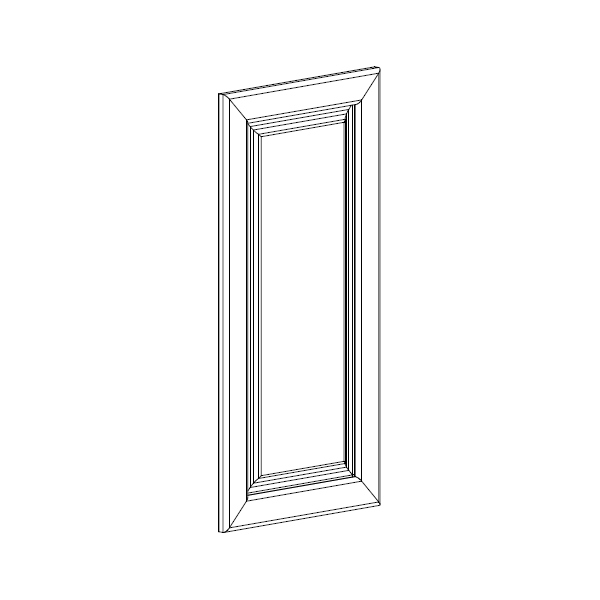
Decorative and Furniture-Style Options
Beyond a plain finished side, there’s room to make the exposed end part of the design instead of just covering it up:
- Modified decorative panels, built to match the door style being used elsewhere in the kitchen
- Framed panels, for a more traditional, furniture-built look
- Moulding or art for everyday detail, for clients who want that end to read as a design feature
Decorative sides work best when they’re chosen to match the surrounding door style, so cabinet side style looks intentional.
Framed Doors and Mullion Sides
For a side that needs more than a flat panel, the side can also be modified to a framed door or mullion. Since we manufacture European style, full access cabinetry, an integrated side like this is built into the cabinet during manufacturing rather than applied afterward as a separate panel. That’s what “integrated” means here: it’s part of the cabinet’s construction, not a piece added on top.
What Limits the Options
Not every option is available on every cabinet. Limitations depend on:
- Cabinet type
- Case material
- Door style
Because of this, don’t assume an option that worked on one project will carry over to another without checking the manufacturing specifications.
Cabinet End Panel Options Vary by Manufacturer
With this many options, and specs that vary by cabinet and material, the right move is always to check with your manufacturer before finalizing a plan. Confirm what’s possible for the specific cabinet plan in front of you before it goes to order.
Some manufacturers can create custom cabinet end panels for your project, while this does increase lead time and cost, it might be the unique touch the kitchen needs. Custom by Decor for example creates custom CAD drawings for items like this.
Quick Answers
What’s the difference between an applied end panel and an integrated side? An applied panel is added on after the box is built. An integrated side is built in during manufacturing, so it reads as part of the cabinet rather than something attached to it.
Do all cabinet types support the same panel options? No. Cabinet type and case material both affect what’s available, so options need to be confirmed per project.
When is a decorative or framed side worth recommending over a standard finished side? When the exposed end is highly visible, like a peninsula or island end, and the client wants that side to function as a design detail rather than just a covered surface.