If your feed feels like it’s on autopilot, or you’re posting consistently but not seeing real growth, it might be time to rethink your approach. Social media has shifted. What worked a few years ago is not what’s building audiences today. It is important to take time to update your approach to socials, especially if it has been awhile since you’ve shifted direction. It can be tricky to find the time, but you can use slow seasons of client work to strategize and make new content or hire help to post on your behalf.
These five strategies take current social media trends and apply them to kitchen and bath designers, helping you attract more clients to your design business:
- Value-driven storytelling
- Making AI work for you
- Event and experiential marketing
- Short form video
- Creative bravery
Why does social media matter for kitchen designers?
Clients want a little piece of your brand for themselves, they want to believe that your design services will prove they are on the right track in life. Your client will feel that getting a new kitchen from [insert your showroom name here] will make them happy, represent them well, and show to their family and friends that they have reached their goals.
Most consumers these days make their buying decisions online and connect with brands before they even need a kitchen renovation. You want to be the designer of their dreams before they even need your services. Social media matters to kitchen and bath designers for more than just a portfolio. This is where you can communicate to clients what your story is so they have a chance to connect with it, trust your expertise, and want your results for themselves.
1. Value-driven Storytelling on Social Media
Storytelling is about sharing messages in a way that connects on a human level. For kitchen designers, this means sharing not only what you do, but also why you do it. Sharing the values, struggles, and victories behind a brand in a way that’s both relatable and effective.
Stories outlast social trends, creating a strong content strategy that incorporates storytelling wins long term rather than jumping on every viral moment.
Some examples of storytelling that includes brand values are:
- Talk about a time your design or service made a real difference for a client. Share the challenges they faced, how you helped solve them, and how it improved their daily life.
- Your Personal Journey: Share the story of how you started your business or design career. Talk about the lessons you learned, and how it shaped you. People love hearing about the human side of a brand.
- Before and After Transformations: Everyone loves a good before-and-after! Using visuals to show how your work created real, tangible results can be super powerful.
2. How Designers Can Use AI for Social Media
Every social media trend report will mention AI in some capacity, so we had to include this one. While AI can’t replace human creatives, AI has come a long way since Chat GPT first launched in 2022.
AI can be exciting, as it provides different opportunities for marketing and workflows you never would have had before. On social media, AI has potential in everyday tasks like caption ideas, photo editing, and to speed up the process of work. It can organize thoughts or clean up your grammar. It can take messy bullet points and rework them into a video script.
How can you make AI work as a kitchen designer? It’s about making AI work for you, speeding up the process, not letting it do the whole job.
Don’t just copy-paste, it’s important to add your own voice and personality. Incorporate the storytelling we mentioned above into your prompts to deliver a personalized result. Don’t forget to proofread! Have a proofing process to remove any robotic or unnatural language. Tweak the outputs to match your brand voice.
3. Event and Experiential Marketing
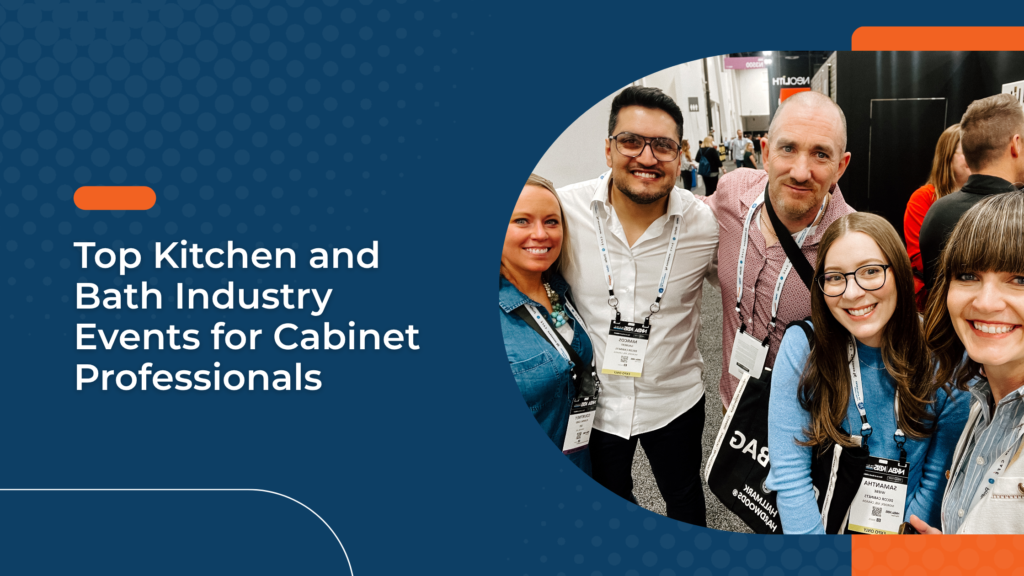
Event marketing is continuing to grow, as people crave authentic connections. Kitchen designers can create buzz online with events that deepen client relationships. Sharing these experiences online creates hype, especially within local communities.
Having a showroom is a great asset for event marketing, hosting moodboard nights, themed open house events, and more. People don’t only go to these events anymore for the fun of it, but to say that they went. Being at a fun community event AND sharing that they were a part of it adds to the enjoyment.
Social media is an extension of real life for many people. We are social beings, and promoting in person events online, showing how fun they are, and even collaborating with other local businesses can really boost your engagement.
In person events become viral moments when shared, streamed, or recapped, online.
4. Short Form Video for Kitchen Designers Social Media
Short form video a non-negotiable in your content plan. In the fast-paced world we live in, people crave quick, digestible content that grabs their attention immediately. Short-form videos get results, offering high return on investment (ROI) and above average engagement rates. In other words, making Tiktok content or Instagram and Youtube Reels will pay off more than posting one off images.
Kitchen and Bath Industry Tips for Short Form Social Content
The best way to get more video content of your projects is to have a dedicated person on shoot days to record on an iphone for social media. If you are using a photographer, ask them about short form video content as part of their package, many also offer this service alongside professional photography.
Create a shot list, or have ideas of the types of video you want to create before the shoot. Browse trending audio sounds and video trends to make sure your content will perform the best and be useful in context of the app you are posting on.
Some tools that are helpful include:
- tripod
- microphone
- stabilizer
- a ring light
- external hard drive
5. Designers Should Be Creative and Brave on Social Media
Designers willing to step outside their traditional comfort zones and take creative risks will be more likely to capture audience attention and gain deeper engagement. Social media is proving that audiences respond better to authenticity rather than to a ridgid professional style and voice. Above all else, people want to be entertained on social media.